
 Español
 العربية
 ไทย
ไทย Indonesia

low energy consumption
Low energy consumption has become a central goal in modern society, driven by environmental concerns, economic pressures, and the need for sustainable development. Using less energy while maintaining or even improving performance benefits households, businesses, and governments alike. It reduces costs, lowers greenhouse gas emissions, and helps conserve limited natural resources such as coal, oil, and natural gas.One important aspect of low energy consumption is the use of efficient technologies. Devices such as LED lighting, high-efficiency motors, advanced heating and cooling systems, and well-insulated building materials can significantly cut energy use without sacrificing comfort or productivity. In residential buildings, better insulation, double-glazed windows, and smart thermostats reduce the need for continuous heating or cooling. In offices and industrial facilities, optimized ventilation systems, efficient machinery, and automated controls help minimize waste and adapt energy use to real-time demand.Another key strategy is behavioral change. Simple actions, such as turning off lights when leaving a room, unplugging unused chargers, and choosing energy‑saving modes on appliances, can lead to meaningful reductions when practiced consistently. At a broader level, shifting to public transportation, cycling, or walking instead of driving individual cars reduces fuel consumption and lowers overall energy demand. Education and awareness campaigns can encourage people to adopt these habits and understand their long-term benefits.The integration of renewable energy sources is also closely linked to low energy consumption. While renewables such as solar, wind, and hydropower generate clean energy rather than directly reducing demand, their use encourages more careful management of energy because availability can be variable. Smart grids, energy storage systems, and demand-response programs help align consumption with renewable generation, thereby reducing reliance on fossil fuels and improving overall efficiency of the energy system.Urban planning and building design play a major role as well. Compact city layouts, green roofs, natural ventilation, and strategic use of daylight all contribute to lower energy needs. By designing spaces that stay cooler in summer and warmer in winter without constant mechanical intervention, architects and planners can cut energy consumption over the entire lifetime of buildings.Ultimately, achieving low energy consumption requires a combination of technology, policy, and individual responsibility. Governments can support this transition through regulations, energy efficiency standards, financial incentives, and long-term planning. Individuals and organizations can respond by investing in efficient equipment and adopting smarter habits. When these efforts are aligned, they not only reduce energy use but also improve air quality, enhance energy security, and support a more sustainable future for the planet.
Products
Category:
-
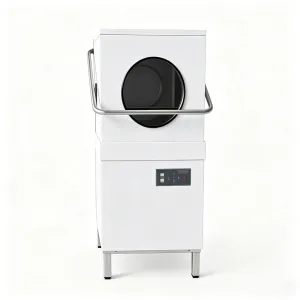
Professional Hood Type Dishwasher with Low Water & Energy Consumption
Category: Dishwasher SeriesBrowse number: 11Number:Release time: 2026-04-17 15:29:30This professional hood type dishwasher is high-efficiency commercial cleaning equipment for busy foodservice places. It saves water and energy while ensuring strong cleaning performance, helping lower operation costs and maintain high hygiene standards.
News
Category:
No search results found!
Case
Category:
No search results found!
Video
Category:
No search results found!
Download
Category:
No search results found!
Job
Category:
No search results found!
Featured Products
-
NEWS
Professional Hood Type Dishwasher with Low Water & Energy Consumption
Learn more



 WhatsApp
 Phone
Phone